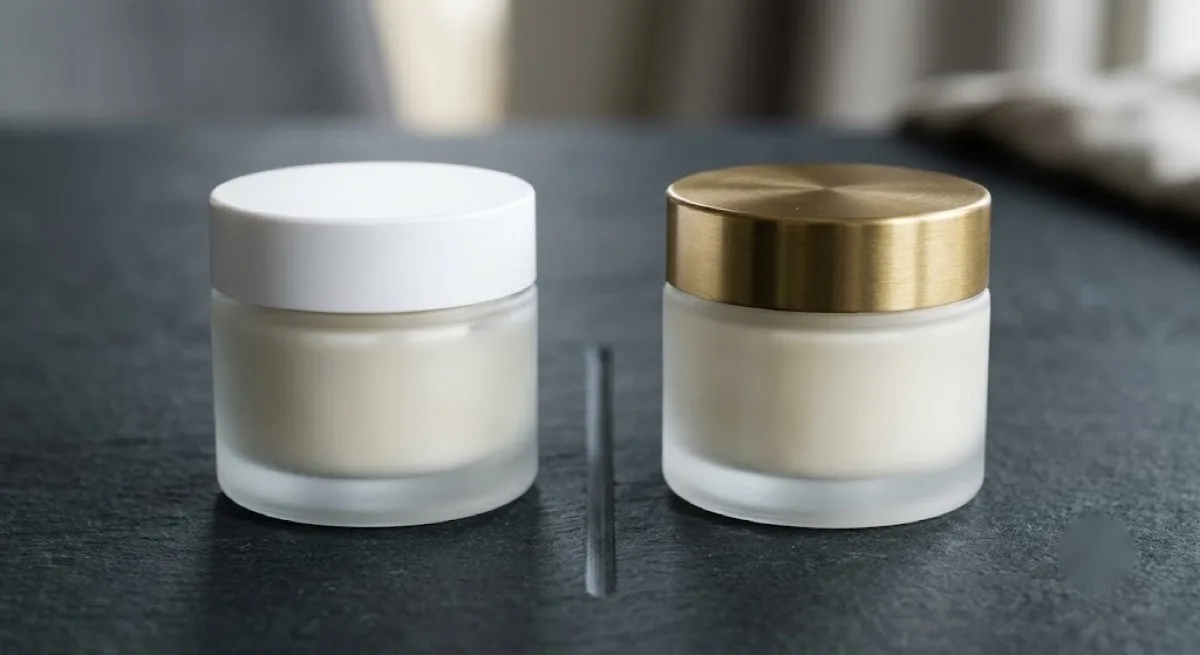
Products sold in Korea or the West as “functional cosmetics” or “medicated” skincare are frequently brought to us with the intention of selling them in Japan under the same positioning. In Japan, however, a product that may be labelled “medicated” is not a cosmetic. It falls into a separate category — quasi-drug (医薬部外品) — and the procedures change substantially.
The line between cosmetic and quasi-drug
Both are categories under the PMD Act, but the systems are built differently.
| Cosmetic | Quasi-drug | |
|---|---|---|
| To place on the market | Notification per product | Approval per product |
| Active ingredients | Cannot be included for an efficacy purpose | Efficacy of the active ingredient is the premise |
| “Medicated” labelling | Not permitted | Permitted |
| Full ingredient listing | Mandatory | Not mandatory (except designated ingredients) |
The largest difference is notification versus approval. A cosmetic may be manufactured and sold once the prescribed notification is filed. A quasi-drug requires review and approval for each individual product, supported by evidence for the active ingredient. The timeline and the cost are of a different order.
Classification turns on ingredients and claims together
This is where judgment becomes difficult. Neither the ingredients alone nor the claims alone decide it.
An ingredient recognised as an active ingredient, included for the purpose of that effect, with that effect claimed — when these three align, the product is treated as a quasi-drug. Conversely, the same ingredient may remain within the cosmetic category if no effect is claimed and the purpose of inclusion is different.
“It is registered as a functional cosmetic in Korea” — this fact cannot be used to determine Japanese classification. The systems do not correspond.
Translating the country-of-origin packaging and promotional material directly into Japanese frequently introduces expressions that cross into quasi-drug territory unintentionally. The line has to be drawn when the classification is decided, not at the translation stage.
Who files for approval?
The party that applies for quasi-drug approval is the marketing authorization holder. And an overseas corporation cannot obtain a Japanese marketing authorization in its own name.
In practice, therefore, an overseas manufacturer’s options reduce to the following.
- Entrust approval to a Japanese marketing authorization holder and distribute as that company’s product
- Use the foreign special approval route, designating a DMAH so that your own company becomes the approval holder
- Keep the product within the cosmetic category by adjusting the claims and the formulation for Japan
The third looks like a retreat, but in practice it is a strong option. Quasi-drug approval takes time and evidence, and committing that investment while still testing initial market response is not always the right call. Enter as a cosmetic first, consider quasi-drug status once the market is visible — this sequence is not unusual.
Requirements on the manufacturing site change too
One further requirement is easily missed. An overseas site manufacturing quasi-drugs for export to Japan must hold accreditation as a foreign manufacturer (Article 13-3). This accreditation is a precondition for approval.
Where the site is not yet accredited, obtaining that accreditation becomes a step preceding the approval application. A schedule drawn up without allowing for it will slip considerably at launch.
Order of consideration
- Obtain the full ingredient list in the original language — detailed enough to show the purpose of inclusion, not a summary or translation
- Write out the claims you intend to make in Japan first, and check whether they stay within the cosmetic category
- If they do not, decide between proceeding as a quasi-drug and adjusting the claims and formulation
- If proceeding as a quasi-drug, confirm who will file and whether the manufacturing site is accredited
- Only then select the distributing company
This judgment has to be made before packaging and promotional material are produced. A change of classification changes both the mandatory display items and the expressions that may be used.
INCAPE handles the import and distribution of cosmetics and quasi-drugs. We advise on determining classification and on the combination of labelling and licences that follows from it.