“Does this count as a medical device?” is a question that most often arises about products someone intended to source as general merchandise. Importing with the classification wrong means not only that the product cannot be sold, but that a legal violation has occurred. Here we set out Japan’s medical device classes and what each one requires.
Three categories by risk
In Japan, medical devices are classified according to the level of risk they pose to the human body.
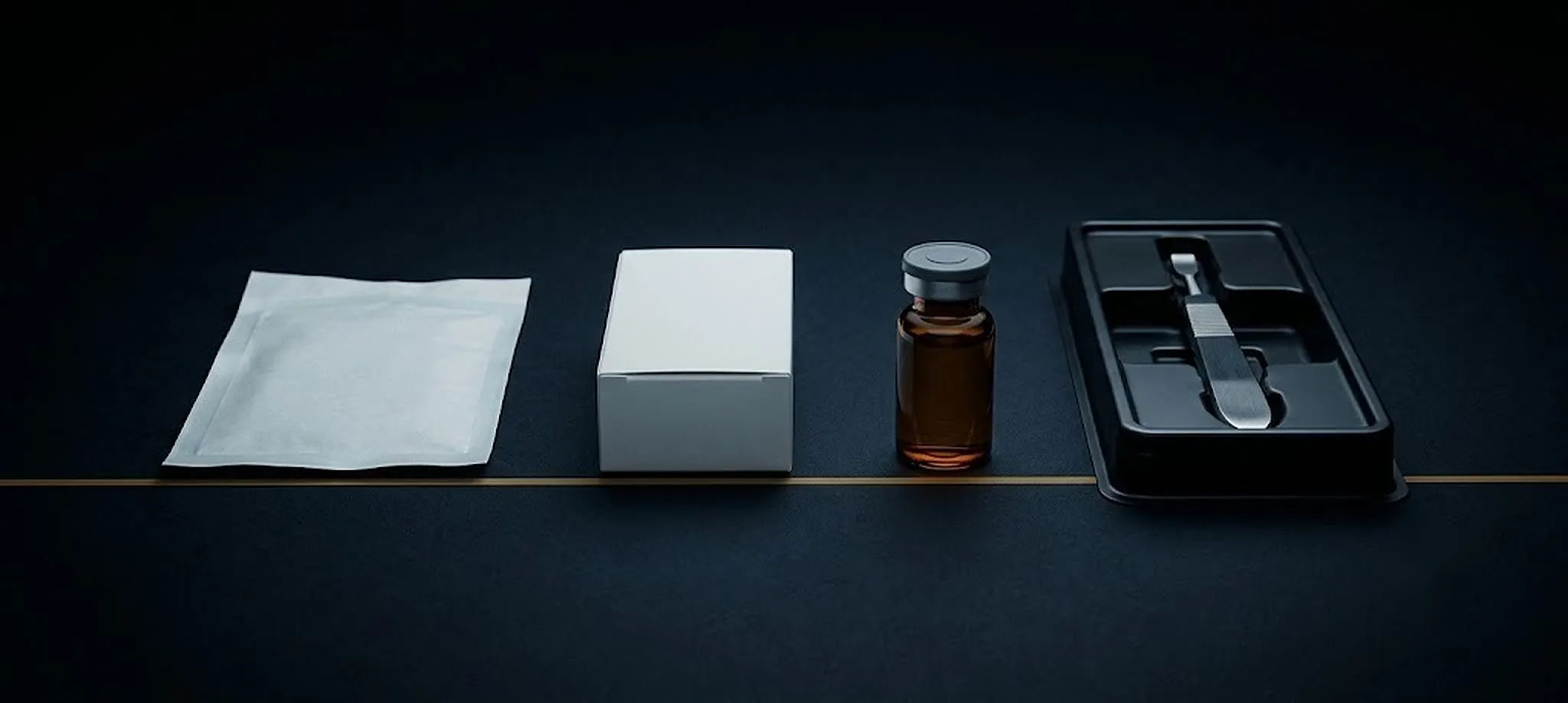
- General medical devices (Class I) — extremely low risk. Medical tweezers, adhesive plasters, thermometers
- Controlled medical devices (Class II) — relatively low risk. Automatic electronic blood pressure monitors, household electric massagers, hearing aids
- Highly-controlled medical devices (Classes III and IV) — high risk. Contact lenses, infusion pumps, pacemakers
The higher the class, the heavier the procedure
The procedure for placing a device on the market changes in nature with the class.
- Class I … notification to the PMDA
- Class II … certification by a registered certification body where a certification standard exists; approval where none does
- Classes III and IV … approval
Requirements on the selling side also differ. Selling or leasing controlled medical devices (Class II) requires a notification for each set of premises, whereas handling only general medical devices (Class I) requires no distribution licence or notification at all.
The gap is substantial: whether a product is Class I or Class II completely changes how easily a business can be started. For reference, INCAPE holds a licence for the sale and lease of highly-controlled medical devices (City of Osaka, No. 21N00270) and can also handle distribution of devices in Classes III and IV.
Avoiding “we thought it was general merchandise”
Classification depends partly not on how a product looks but on what it claims to do. Two massage devices of similar shape may be sorted differently: one claiming an efficacy becomes a medical device, one making no such claim stays general merchandise. Translating the claims on overseas packaging directly into Japanese can carry a product unintentionally into medical device territory. This is the most common pitfall in practice.
The same applies to quasi-drugs (medicated cosmetics, disinfectants and the like), which fall into a category requiring approval. Whether a product enters as a cosmetic or as a quasi-drug changes both the procedures and the timeline.
Order of checking
- Write out the product’s intended use and the efficacy you plan to claim
- Determine whether it sorts as a medical device, quasi-drug, cosmetic or general merchandise
- If a medical device, confirm the class
- Confirm whether notification, certification or approval is required for that class
- Only then settle sourcing terms
We confirm licensing and notification requirements in advance and then assist through to import clearance. If a product’s status is uncertain, please raise it at the planning stage.
Primary sources referenced
- Medical devices requiring notification (PMDA)
- On the classification of medical devices (City of Osaka)
※ This article summarises the outline of the system. Individual classification determinations rest with the competent authority. Please confirm current primary sources when acting on any specific case.